Best 15 3D Browser Games for Low-End PCs
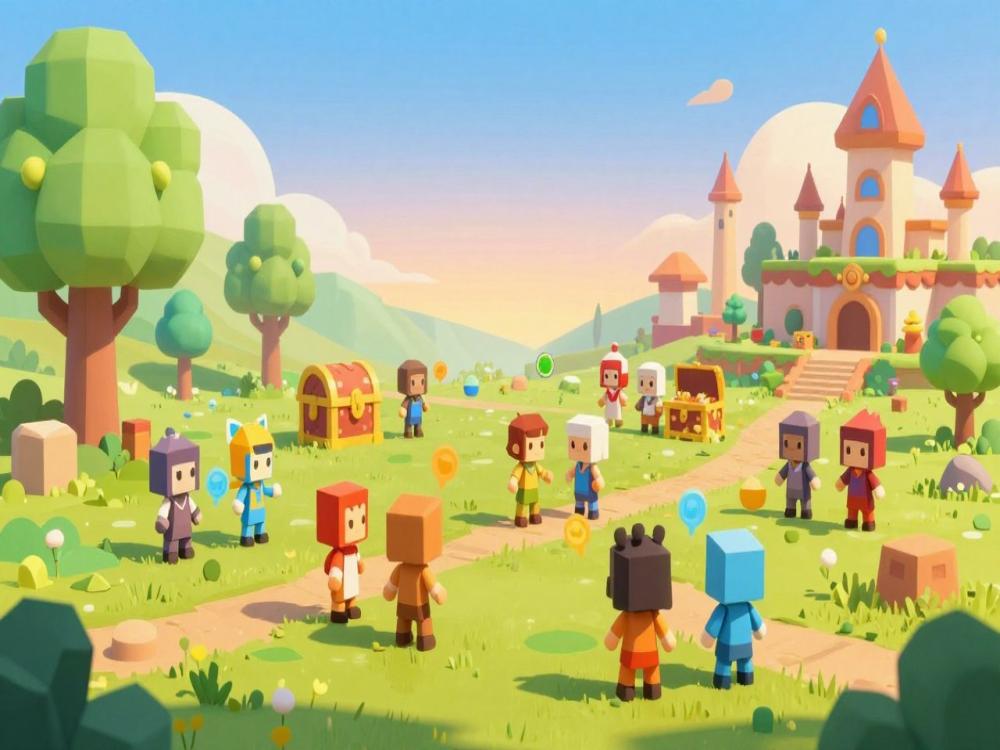
Best 15 3D Browser Games for Low-End PCs
You want playable 3D browser titles and other low-spec games that run smoothly without a pricey GPU upgrade. This list focuses on titles that work on integrated graphics, older laptops, and machines with limited RAM, so you can jump in fast.
“Low-end” in 2026 means modest hardware: Intel/AMD integrated chips, 4–8 GB RAM, and storage-friendly installs. Many web-friendly options still deliver real multiplayer, progression, and social loops without long waits.
By “3D” we mean either true 3D visuals or 3D-style gameplay that gives depth and movement. I’ll note when a pick is Windows-first versus truly playable in a web tab.
The list covers MMORPG grinding, shooters, battle royale, strategy, and card titles so you get variety. You’ll find 15 picks you can try now, each with a quick note on why it runs well and whether it fits a short match or long session.
How I chose them: low-spec friendliness, fast load times, active multiplayer, and clear gameplay loops. Save this list to build a small rotation instead of installing huge clients and quitting after one night.

Key Takeaways
- You can enjoy 3D visuals and solid multiplayer on modest hardware.
- “Low-end” now means integrated GPUs and limited RAM, not no fun.
- I flag which titles run in a web tab versus require Windows.
- Fifteen varied picks cover quick matches and long progression loops.
- Choices favor fast loads, active communities, and low-spec friendliness.
What to expect from 3D browser games on a low-end PC in 2026
Your rig can still deliver smooth, modern-looking play if you accept trade-offs in detail and draw distance. Small changes to resolution and effects yield the biggest gains.

Low-spec performance basics: graphics settings, resolution, and browser tweaks
Quick fixes: drop resolution, turn off shadows and ambient occlusion, cap the frame rate, and close extra tabs.
Browser tweaks: disable heavy extensions, try hardware acceleration if stable, and test a different platform if one stutters.
Multiplayer, cross-platform, and player counts without the hardware drain
You can join full lobbies, but favor modes with smaller arenas or clearer visuals to reduce load and stay readable. Cross-platform titles often scale assets down for wide device ranges, which helps.
"Engines like GDevelop make web delivery easier, so lightweight multiplayer keeps improving."
Genres that run well on modest rigs
MMO grinds and browser mmorpg-style titles often tune scenes to keep performance steady. Shooters work if you pick lower-detail views. Strategy and card matches give the best loading and steady frame rates.
| Genre | Typical Drain | Best Fix | Play Style |
|---|---|---|---|
| MMO / browser mmorpg | Medium | Reduce draw distance | Long sessions |
| Shooter | High (without tweaks) | Lower view detail, cap FPS | Short matches |
| Strategy | Low | Turn off fancy effects | Session-based |
| Card | Minimal | Keep animations simple | Quick rounds |
Next up: play-now recommendations that run without a modern rig and favor smooth matchmaking and quick loading.
Top 3d browser games, low-end pc games you can play right now
How to use this list: pick two or three titles to try first, test settings for smoothness, then decide what goes into your "currently playing" or "play later" rotation so you don’t overload your system.
Quick tip: lower effects and resolution for longer sessions and faster game loading.
Dungeons & Dragons Online
Questing, party runs, and long-term progression define DDO. It’s free-to-play on Windows and rewards careful play more than flashy graphics. Tune settings and focus on content depth for the best experience.
Titan Revenge
This browser MMORPG leans into fast grinding and loot loops. The promise that gear "always has a benefit" makes short sessions feel worth your time.
Tales of Yore
An old-school MMO with nostalgic charm. Browser availability speeds up startup and reduces hassle on weaker setups, so you can jump straight into classic MMO loops.
World of Rune
A lightweight browser title for quick sessions. Log in, complete a few tasks, and log out—ideal when you want MMO flavor without a big time sink.
Team Fortress 2
Iconic shooter energy with steady community support. Lower effects and choose readable settings to keep matches smooth on modest hardware.
World Boss
Sixteen enter, one holds the crown. Fast, pick-up-and-play shooter matches let you get action without a long ramp-up.
Battle Arena
Real-time PvP with MOBA and RPG elements. Tight arenas and short matches help keep performance steady and fun.
Bombergrounds: Battle Royale
Compact rounds and quick loading make this a great free-to-play choice when you want a fast match and little waiting.
BATTLE CRUSH
Short, chaotic brawler-style fights for when you want battle royale pressure without long looting phases.
Waven
Turn-based tactical depth reduces twitch demand. Decisions matter more than frame rate, so it runs well on modest machines.
Infinite Borders
Strategy battles with over 300 troop types. Deep pacing and tactical choices give you hours without needing cutting-edge visuals.
Town of Salem 2
Social deduction where reading players beats graphics. Your low-end hardware won’t hold you back—social skill will.
MARVEL SNAP
Fast card matches designed for frequent play. Short queues and minimal loading make it friendly to older setups.
Mythgard
A collectible card game mixing cyberpunk and fantasy. Rich deckbuilding with modest performance demands.
Eternal
Competitive, skill-forward collectible card play. Quick queues and low loading friction fit a light routine.
How to choose the right low-spec games by genre, platform, and your play style
Choosing what to play should balance your preferred pace, device limits, and the genre’s reward loop. Start by asking whether you want long progression, quick action, tactical depth, or pure card strategy.
Browser MMORPG vs open world expectations
What you gain: faster access, smaller scenes, and quick testing without big installs. Many browser mmorpg titles scale assets so you can jump in immediately.
What you don’t get: massive draw distance, seamless exploration, or ultra-detailed graphics. If you crave sprawling vistas, mark those as later mmorpg candidates and test them when you can.
Card game and collectible card picks for modest rigs
Priorities: quick loading, clean UI, and depth of decisions. Pick one main deck builder and one backup to learn matchups without constant switching.
Examples: MARVEL SNAP for short rounds, Mythgard for deeper decks, and Eternal for competitive queues. These offer varied complexity and reliable card game loading.
Battle royale, shooter, and person view settings
Lower post-processing, reduce shadows, and trim effects clutter. Adjust the person view and FOV for clear sightlines so you track players without chasing higher resolution.
Smoother matches come from less visual noise, not higher fidelity. If input feels laggy or loading is persistently slow, move that title to your play later list.
“Play later” planning and rotation
Use the Currently Playing / Played / Completed / Play Later framework. Try a title for 30–60 minutes, then categorize it. Keep one MMORPG for progression, one shooter/battle royale for bursts, and one card game for short sessions.
Stop rules: slow loading, frequent stutter, or poor responsiveness = move to Play Later or mark as Played/Completed. This keeps your rotation fresh and your system stable.

Conclusion
A well-chosen mix of MMO, shooter, strategy, and card titles keeps gameplay fresh on modest setups.
You can still get real multiplayer and long-term fun without chasing high-end graphics. Test two or three picks from the list, tweak settings, then keep what feels smooth.
Platform first: start with web or light installs, then try Windows-only titles if they run well for you. Focus on fast loads and responsive battle or match moments.
Quick checklist: does the game load fast, feel responsive in fights, read easily on-screen, and match your session time? Use the currently playing / played completed / play later rotation to avoid clutter.
Try 2–3 titles today, adjust once, and keep the ones that balance fun, performance, and community.